Elevate Your Everyday with Quiet Luxury
Our focus today is Quiet Luxury Home Upgrades, expressed through nuanced choices that feel calm, tactile, and timeless. Think crafted materials, softened acoustics, discreet lighting, and thoughtful edits that heighten comfort without spectacle. Expect practical steps, anecdotes, and inspiration to help you refine, not overwhelm, and celebrate quality that quietly improves daily rituals.
Principles of Understated Refinement
Quiet luxury begins with restraint, intention, and an appreciation for materials that age beautifully. Instead of decorating loudly, we cultivate a sense of ease through proportion, light, and touch. Fewer, better elements make room for meaningful rituals, while thoughtful edits remove visual noise and amplify the quiet presence of craftsmanship and care.
Materials That Whisper Quality

Stone with Soul
Limestone, soapstone, or honed marble offer soft luster that ages gracefully. Seal where appropriate, but accept micro-wears as narrative rather than flaw. A rounded edge profile reduces visual sharpness and invites touch. Use modest slabs strategically to elevate countertops, sills, or a serene hearth that anchors evening routines.
Woods That Age Gracefully
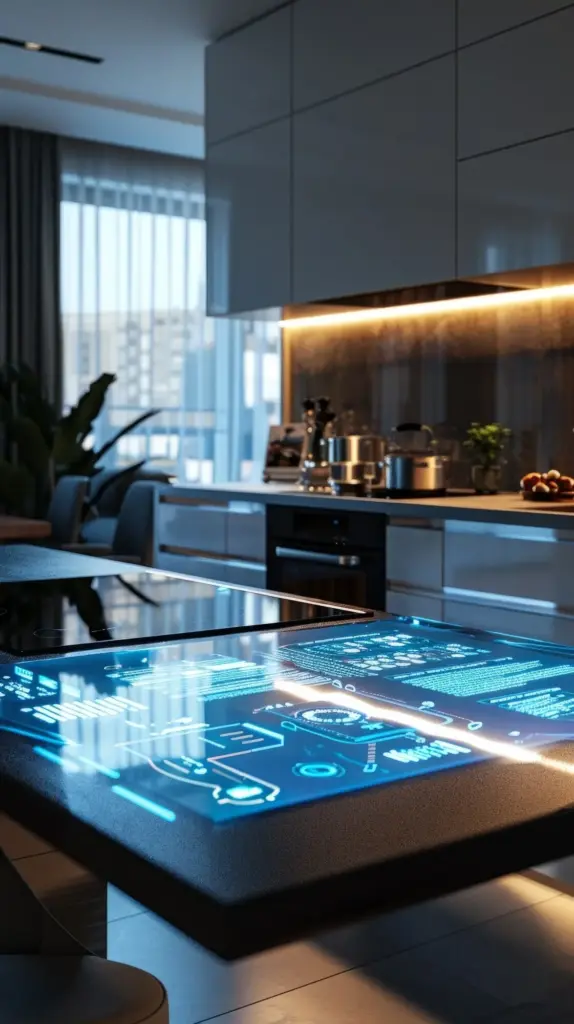
Walnut, white oak, and ash provide stable grain, refined texture, and reliable finishing. Oil or hardwax finishes preserve feel and repairability. Mix tones sparingly to avoid chaos, and align species across millwork and floors. Thoughtful grain direction on doors and drawers signals care, anchoring rooms with quiet continuity and warmth.

Textiles That Invite Touch
Linen, wool, and cotton blends breathe, maintain shape, and soften with time. Choose upholstery with tight weaves that resist pilling, and drapery with weighted hems for elegant fall. Layer textures—bouclé, velvet, brushed wool—to deepen comfort without shouting. Prioritize washable, serviceable fabrics for daily luxury that welcomes real life.
Lighting for Calm Brilliance
Lighting should soothe, guide, and flatter materials. Aim for layers: ambient glow, task precision, and accent warmth. Dimmable, warm-toned light supports evening rituals and rest. Thoughtfully shielded sources eliminate glare, while discreet controls simplify routines. Let daylight lead, then complement with quiet fixtures that shape atmosphere rather than steal attention.

Daylight as the First Designer
Observe how the sun moves through your rooms. Redirect glare with sheer linens, expand light with matte finishes, and embrace shadows that sculpt texture. Align seating and work surfaces with soft morning or afternoon light. Daylight reduces dependency on artificial sources, sets circadian rhythm, and creates effortless elegance throughout the day.
Layered Warmth After Sunset
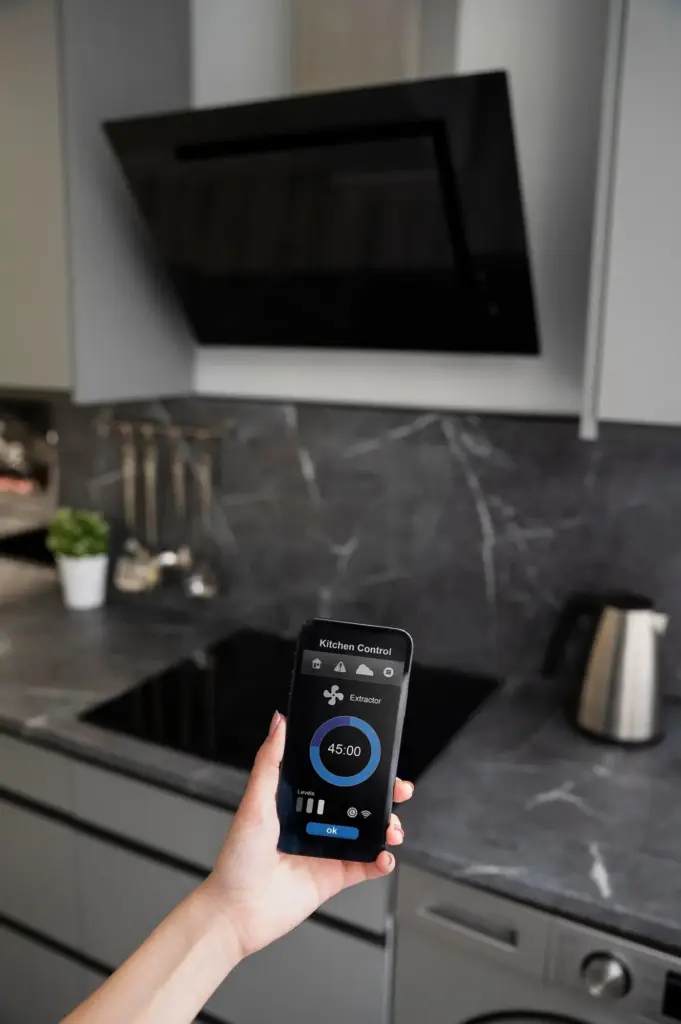
Combine low-level floor lamps, wall sconces, and concealed LED strips under shelves or within coves. Use warm dim technology to shift from active brightness to gentle evening tones. Place switches intuitively at transitions. This layered approach lessens visual fatigue, honors materials, and invites conversation, reading, and rest without harsh contrasts.
Acoustic Comfort and Quiet Systems
Sound shapes how luxury feels. Reduce echo, hum, and clicks to create a serene backdrop. Layer textiles, specify soft-close hardware, and select mechanical systems designed for silence. When a home sounds calm, conversations deepen, rest improves, and quality becomes something you hear—or rather, don’t hear—every single day.
Tonal Harmonies and Undertones
Test paint and fabric samples across changing daylight, noting warm or cool undertones. Pair warm stones with complementary wood finishes, avoiding jarring temperature shifts. Repeat a few tones consistently across rooms to create continuity. A cohesive palette lets craftsmanship and proportion lead, not color saturation, preserving quiet, enduring sophistication.
Texture as the New Color
Use plaster, limewash, bouclé, brushed metal, and open-grain wood to add interest without visual noise. Texture catches light gently, offering dimension that remains restful. Position rough against smooth for contrast that reads intentional yet calm. Guests may not pinpoint why, only that the room feels beautifully composed.
Built-ins That Serve and Disappear
Design storage that aligns with how you live: trays for mail, deep drawers for cookware, integrated charging with hidden cable paths. Flush toe kicks, consistent reveals, and concealed hinges reduce visual clutter. When joinery anticipates your needs, everything feels calmer, and surfaces remain clear for conversation, preparation, and rest.
Proportion, Scale, and Negative Space
Allow furniture to breathe. Choose a sofa that fits the room’s width and sightlines, leaving gentle aisles and balanced sight weights. Vary heights subtly across pieces to create rhythm without chaos. Negative space is not emptiness; it’s the quiet stage where refined materials, light, and daily rituals come forward.
Hardware You Notice Only by Feel
Select solid metal knobs and pulls with softened edges and satisfying weight. Test grip comfort and finish texture, ensuring they age gracefully. Align screw heads, center lines, and backplates precisely. These tiny, repeat interactions broadcast quality every day, turning opening a drawer into a small, reassuring moment of luxury.
All Rights Reserved.